Why Chatsworth Summer Heat Ruins Attic Insulation
Chatsworth summers are hard on attics. Afternoon sun loads the roof deck. Attic temperatures climb past 130 degrees on clear July days. On west-facing slopes near Stoney Point Park, sensors often read closer to 145 degrees by late afternoon. That heat cooks attic materials year after year. It dries out fiberglass binders, bakes dust and rodent residue into a stubborn film, and drives hot air into every gap in the attic floor. The result is the same symptom across many San Fernando Valley homes. The upstairs runs hot, the AC never seems to shut off, and energy bills rise even when the thermostat setting stays the same.
Pure Eco Inc. Sees this pattern across 91311 in Chatsworth and neighboring zip codes from 91324 in Northridge to 91364 in Woodland Hills. Many of these homes were built between 1955 and 1985. Original or first-replacement insulation often sits far below current R-value targets. Heat damage and compression cut performance even further. The fix is not a quick patch. It begins with a clear understanding of how Valley heat interacts with insulation, ventilation, and duct systems under Los Angeles Title 24 energy standards.
What Valley Attics Actually Face Between June and September
Los Angeles climate zones under Title 24 place most of the San Fernando Valley in Climate Zone 9. The Valley sits behind the Sepulveda Pass and heats up faster than the basin. Attics in Chatsworth, Porter Ranch, and Granada Hills experience a sharper late-day temperature spike because of roof exposure and afternoon winds that run along CA 118. South roofs absorb steady solar radiation all day. West roofs take the most intense energy from 3 PM to 6 PM. That wave of radiant energy strikes the roof deck, moves through the sheathing, and radiates into the attic cavity. Without a radiant barrier and balanced ventilation, the temperature profile in a typical 1,800 square foot Chatsworth ranch home rises by 50 to 70 degrees above outdoor air in less than three hours.
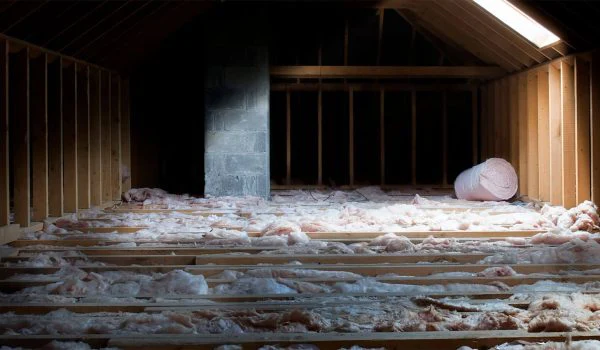
High heat is predictable. What it does to insulation is often less visible. Fiberglass and cellulose do not melt, but they do lose loft and collect grime. Rodent traffic and nesting push insulation down along paths near eaves and chimneys. Dust binds to fibers. Over decades, the effective R-value can drop by half. That is why many original R-19 attic floors test like an R-9 or R-10 during inspections. When the attic hits 140 degrees at 5 PM, the ceiling below feels like a radiant panel. AC runtime extends into the evening. It is a comfort problem first and an energy problem second, but both trace back to the attic.
How Chatsworth Heat Degrades Common Insulation Types
The product on the attic floor or roof deck matters. So does the installation quality and air sealing. Heat drives performance changes in different ways depending on the material.
Fiberglass batts and loose-fill fiberglass
Fiberglass resists heat flow when fluffed with air spaces. In Valley attics, decades of foot traffic, rodent runs, and gravity reduce loft. Batts slump at joist edges. Loose-fill settles. Binder resins age faster in high heat, which makes matting worse. Dust and soot from old furnaces and nearby freeways stick to fibers and act like a heat bridge. A 6 to 8 inch layer that once delivered near R-19 often tests far lower in a 91311 home with south and west exposures.
Blown-in cellulose
Cellulose performs well at stopping air movement through the blanket, but it also settles over time. In hot attics, humidity swings and gravity cause additional settling. Rodents tunnel readily through cellulose and leave urine crystals that harden into crusts under heat. Those crusts glue fibers together and create thermal shortcuts. Homeowners in Encino and Sherman Oaks often notice a dusty smell on hot days, which points to heat-baked organic dust in cellulose moving down through ceiling penetrations.
Existing spray foam
Spray foam delivers strong R per inch when installed at the roof deck. Open-cell foam runs near R-3.5 to R-3.8 per inch. Closed-cell runs near R-6 to R-7 per inch. The foam itself tolerates heat well. Failures in the Valley tend to involve incomplete coverage at rafters, unsealed soffit openings, or a foam layer that left mechanicals outside the pressure boundary. In those cases, the attic still behaves like a hot buffer zone. AC ducts sauna in 130 degree air, and any unsealed top plate leaks push that heat into the house. In short, even spray foam must integrate with proper air sealing and ventilation strategy to solve the Valley heat profile.
Radiant barrier or foil-faced products
Reflective foil radiant barrier reduces radiant heat transfer. In LA attics, a correctly installed perforated foil under the roof deck commonly lowers attic air temperature by 15 to 25 degrees during peak hours. Without it, fiberglass or cellulose has to fight a radiant load that insulation was never built to handle. Over time, the higher attic temperature speeds old insulation removal Chatsworth CA the aging of everything up there, from duct tape adhesives to can light trims.
What Heat Does to Attic Systems Beyond Insulation
Insulation is only part of the picture. Chatsworth heat stresses the entire attic system. Duct mastic dries and cracks. Original R-4 or R-6 duct wraps on older systems near De Soto Avenue often show sun-baked brittleness close to roof penetrations. Attic air gets superheated and slides through unsealed top plates, wiring holes, and chimney chases. That leakage pulls conditioned air out of the home and replaces it with attic air. The cycle undermines comfort in rooms along Devonshire Street and Lassen Street where roof lines are low and duct runs are long.
Ventilation also shifts with heat. Soffit vents clog with attic insulation or bird debris over time, which starves ridge or gable vents. Without intake at the eaves, a ridge vent cannot pull. Heat lingers in roof pockets above knee walls and returns to rooms in the evening. In Woodland Hills hillsides, the problem feels worst because roof pitches are steeper and west-facing decks take more late-day load.
Title 24 Targets in the San Fernando Valley and Why They Matter
California Title 24 Part 6 sets the energy code. Most of the San Fernando Valley is Climate Zone 9. For retrofits and alterations, R-30 is the practical minimum. For high performance and new work, R-38 is the standard target, and R-49 is a smart goal where attic height allows. These numbers are not abstract. They match real Valley heat. An attic in 91311 with R-10 to R-15 effective resistance will soak a living room with radiant heat during evening hours. Upgrading to R-38 with proper air sealing and a radiant barrier cuts that load so the AC can cycle off. Many homes see 20 to 30 percent savings on cooling energy when moving from a degraded envelope to a code-level envelope. That range reflects Pure Eco field results in Chatsworth, Northridge, and Reseda, and aligns with California Energy Commission guidance.
Title 24 documentation also matters for permits and property records. A well-documented attic insulation upgrade with CF1R, and where applicable HERS verification on duct sealing, supports appraisal conversations and compliance for additions. In neighborhoods near CSUN and across Encino, lenders and inspectors now ask for energy improvements during sales. Proper paperwork prevents remodel headaches later.
Why Insulation Alone Fails Without Air Sealing
Heat takes the path of least resistance, and so does air. Many Valley attics have dozens of unsealed penetrations. Recessed lights, bath fan housings, top plate gaps, plumbing stacks, and open chases all connect the attic to the living space. When the attic is 140 degrees, those gaps allow hot air and fiberglass-laden dust to slide into the home. Even an R-38 blanket cannot block that convective flow. The fix is attic air sealing before insulation goes down. Technicians use spray foam air sealing and high-temperature caulks to close joints. Chimney gaps get fire-rated approaches. Only then does new insulation deliver its full R-value.
How Rodents and Heat Combine to Wreck Performance
Roof rats are a fact of life across Los Angeles County. The San Fernando Valley stock built between 1950 and 1985 is most vulnerable. Original soffit and gable screens often rust out or loosen. Heat drives animals to seek cooler night spaces. Attics along the 101 corridor provide shelter. Rodents compress insulation along paths. They contaminate batts and loose-fill with droppings and urine. In hot weather, urine crystals harden and glue fibers together. This creates hard channels where heat flows easily. It also adds a health risk. While deer mice are the primary hantavirus carrier in the West, roof rat contamination still triggers allergy symptoms and poor indoor air quality in many homes.
Pure Eco technicians report that in a majority of the mid-century Valley attics they inspect, original soffit or gable screens are missing, split, or painted over. That aligns with the high incidence of rodent entry points in 91311, 91324, and 91423. The most durable repairs use 1/4 inch galvanized steel mesh and mortar or rodent-grade foam at eaves and utility penetrations. Exclusion without decontamination invites odor and disease vectors to remain. Decontamination without exclusion leads to fast re-infestation. Both need to happen. Heat then becomes a diagnostic ally, because the strongest attic odors show up on the first hot days of May.
Recognizing Heat-Damaged or Underperforming Insulation
Homeowners often notice the same signals when an attic’s thermal boundary has failed. The upstairs is 5 to 10 degrees hotter than downstairs by late afternoon. The primary living area along Ventura Boulevard side lots stays muggy even with the AC running. A faint dusty or attic smell appears when the AC cycles on. Energy bills creep up in June, then jump in July and August. Pest control calls increase once or twice per year.
In the attic, the evidence looks plain. Insulation is matted, thin at the edges, and covered with a layer of gray dust. Joist tops are visible across long stretches. Near ducts, batts are cut and displaced. At the eaves, insulation blocks soffit vents. Gable screens show rust and gaps. In several Chatsworth projects within 91311 in tract homes near De Soto Avenue and Mason Avenue, Pure Eco found fewer than 6 inches of effective insulation after accounting for compression and voids. That translates to roughly R-15 or less. Title 24 calls for R-30 minimum in retrofits. The gap explains the comfort complaints.
When Insulation Removal in Chatsworth Is the Right Call
Insulation removal in Chatsworth CA becomes necessary when contamination or major installation errors exist. Rodent waste, mold growth from past roof leaks, and extensive duct dust discharge into the blanket are the typical triggers. Removal also makes sense when decades of patchwork have left air sealing impossible without clearing the deck. Removal uses HEPA vacuums to capture fibers and waste. Crews bag and document disposal according to California rules for non-hazardous waste. If a 1960s or 1970s home hints at vermiculite or possible asbestos contamination, a lab test is ordered first. If asbestos is confirmed, a permitted abatement contractor performs the removal before new insulation goes in.
In many Valley homes, removal is the fastest way to get the attic back to a clean, sealable substrate. Air sealing then addresses top plates, chases, and can lights. New insulation and, when appropriate, a radiant barrier finish the thermal upgrade. Homeowners then experience a much cooler upstairs by the second afternoon after completion.
Radiant Barriers, Ventilation, and Why They Matter More in the Valley
Radiant energy is the hidden force in Valley heat. A reflective foil radiant barrier under the roof deck changes the game. In sun-exposed Chatsworth homes, field measurements show a 15 to 25 degree drop in peak attic temperature after installation compared to pre-install baselines taken in similar weather. That translates into shorter AC runtimes on late afternoons. It also reduces thermal stress on ducts, wiring, and fasteners in the attic. Perforated radiant barrier products avoid trapping moisture. They work with soffit intake and ridge or gable exhaust to keep air moving. A balanced system needs both intake and exhaust. Many older Valley roofs have gable vents only. Adding continuous soffit intake where feasible can stabilize the whole stack effect within the attic volume.
The Duct Story: Why AC Struggles in a Hot Chatsworth Attic
Many Valley homes still run ducts through unconditioned attics. When attic air reaches 130 to 145 degrees, every unsealed duct joint leaks conditioned air into a hot plenum. Even small leaks at takeoffs compound losses. Older runs may carry only R-4 to R-6 wrap. Current best practice is R-8 duct insulation with mastic-sealed joints and UL 181 foil tape. Under Title 24, duct leakage testing and sealing can be required with equipment changes. Even without a system change, sealing and insulating ducts during an attic insulation project often yields a larger comfort gain than homeowners expect. It stops heat from pulling away the cool the system just paid to make.
Cost and Scope Homeowners Can Expect in the Valley
Every attic is different, but LA County pricing for insulation and radiant barrier work follows predictable ranges. For attic insulation replacement in a typical 1,500 to 2,200 square foot San Fernando Valley home, installed cost often falls between $1.50 and $4.00 per square foot depending on material, access, contamination removal, and air sealing labor. Radiant barrier installation typically adds $0.50 to $1.50 per square foot of roof deck. Spray foam insulation Chatsworth projects vary more widely due to thickness and roof deck conditions. Open-cell at the roof deck targets R-19 to R-30 in many conversions, while closed-cell may be used in thinner assemblies where moisture control and higher R-value per inch are desired.
Timelines also trend consistently. An insulation removal, air sealing, and blown-in insulation job on a clear, accessible Chatsworth attic can complete in one long day or two standard days. Add radiant barrier and moderate rodent proofing, and the work can extend to two to three days. Homes with complex framing, HVAC duct replacement, or severe contamination can take longer. The best practice is to stage the work in this order so quality control stays high even on hot days.
Material Choices That Hold Up Under Chatsworth Heat
Blown-in cellulose and blown-in fiberglass both deliver strong performance when installed at proper depth and density. Cellulose runs roughly R-3.2 to R-3.8 per inch. Loose-fill fiberglass runs roughly R-2.2 to R-2.7 per inch. Both depend on depth to achieve R-38 or higher, and both need solid air sealing first. Batts can work when joist bays are uniform and penetrations are minimal, which is uncommon in Valley retrofits. Spray foam has a role where roof deck encapsulation is planned, ductwork is moved into the conditioned space, and ventilation is reconfigured accordingly. In all cases, a reflective foil radiant barrier improves comfort in Valley heat by cutting radiant load before it hits the insulation layer.
Neighborhood Patterns Across the Valley
Chatsworth tracts near Mason Park and the Northridge border often present shallow attics with gable vent-only exhaust and partial soffit intake. Reseda and Winnetka homes from the 1950s and 1960s commonly have original insulation with rodent runs along the eaves. Woodland Hills and Tarzana hillsides feature taller attics yet harsher west exposure. Encino and Sherman Oaks properties along the 101 corridor experience heavy late-day solar load, plus higher attic dust from freeway particulates that bake onto fibers and foil tapes. Studio City and Valley Village often have more can lights per square foot, which creates a greater air sealing workload before new insulation can be placed. The specifics vary, but the heat pattern is consistent. By 4 PM on a clear summer day, any assembly weakness shows up as a hot hallway, a warm bedroom ceiling, and an AC that will not cycle off.
A Shareable Fact About LA Attics and Summer Heat
Los Angeles attic temperatures in south- and west-facing Valley homes commonly exceed outdoor air by 50 to 70 degrees during peak summer. Installing a perforated reflective foil radiant barrier under the roof deck has been shown in local field measurements to lower attic air temperature by 15 to 25 degrees during those same peak hours. That single change often cuts cooling runtime by 10 to 25 percent in LA homes with ductwork in the attic, especially in Climate Zone 9 neighborhoods like Chatsworth, Northridge, and Sherman Oaks. The combination of radiant control, air sealing, and R-38 or higher attic insulation is why Valley upgrades return such reliable comfort gains.
What a Correct Valley Attic Scope Looks Like
Homeowners often ask what a complete fix requires in a heat-stressed attic. The answer is not a product. It is a sequence. Technicians confirm contamination risk. They remove debris and any compromised insulation where required. They air seal the attic floor. They verify soffit intake and repair blocked vents. They install radiant barrier on the roof deck where conditions allow and it makes sense. They place new insulation to hit R-38 or better under Title 24 targets. They seal and re-insulate ductwork to R-8 where ducts remain in the attic. They rodent-proof entry points with galvanized steel mesh and proper sealants. When needed, they replace crushed or leaking ducts and document work for code and rebates.
- Attic air sealing at top plates, can lights, chases, and utility penetrations Balanced ventilation with clear soffit intake and ridge or gable exhaust Reflective foil radiant barrier under the roof deck where appropriate New attic insulation to R-38 or higher with clean coverage and correct depth Duct sealing and R-8 insulation for any attic duct runs that remain
That scope corrects the system. It prevents Chatsworth heat from undoing the work by the next summer.
Attic Cleaning, Then Insulation: Where Health Meets Comfort
Heat damage and contamination often show up together. Attic cleaning Chatsworth projects generally involve HEPA vacuum extraction of dust and loose debris, removal of contaminated insulation, surface sanitization, and deodorization. Enzymatic cleaners target odor sources on the wood and drywall surfaces. Antimicrobial treatments can be applied where past moisture leaves high-risk biofilm. Crews then document the cleanup. Only after the attic is clean and dry do they insulate. In 91311 and 91423 projects, this order has produced longer-lasting results because new materials do not sit on a dirty substrate that would re-release odors on hot days.
Choosing Insulation Types to Fit Your Attic and Title 24
Most Valley retrofits favor blown-in cellulose or fiberglass on the attic floor with targeted air sealing. Both achieve R-38 with proper depth. For homeowners planning a conditioned attic conversion, open-cell spray foam on the roof deck can meet comfort goals when integrated with new ventilation strategy and duct relocation. Where roof assemblies are tight or moisture control is a higher priority, closed-cell foam can deliver higher R per inch and act as a vapor retarder. Title 24 compliance requires the right R-value targets and, in some cases, HERS verification for duct sealing and airflow when HVAC work is part of the scope. Manufacturers’ warranties on insulation products pair with contractor workmanship warranties to protect the install.
How Rebate and Tax Credit Programs Support Valley Upgrades
Many Los Angeles homeowners qualify for utility rebates when they increase attic insulation levels and seal ducts. LADWP and SoCalGas have offered programs that offset part of the install cost for qualifying measures. Program specifics change, but documentation at the estimate stage helps capture available dollars. The federal Section 25C tax credit can apply to insulation measures as well, subject to current IRS rules. A clear, itemized scope with Title 24 references and photographs supports these submittals.
Why Pure Eco Inc. Sees Better Outcomes in Chatsworth and Across the Valley
Pure Eco operates from 9740 Variel Ave in 91311 with direct access to CA 118 and US 101. Crews know the roof angles and attic heights common from Granada Hills to Studio City 91604. They are trained to identify heat damage, rodent pathways, and duct weaknesses in the same visit. That integrated approach prevents fragmented work that leaves heat problems unsolved. The company documents Title 24 Part 6 compliance for insulation measures, and supports LADWP and SoCalGas rebate paperwork. Work happens within an extended field schedule that fits Valley life, with crews on the road Monday through Friday 7 AM to 7 PM and Sunday 8 AM to 6 PM to avoid midday heat and homeowner schedule conflicts.
Frequently Overlooked Details That Matter in Valley Heat
Recessed lighting caps and air sealing around can lights prevent hot attic air from seeping through trims. Knee walls in split-level homes along Reseda Boulevard and Victory Boulevard need cavity insulation and rigid foam sheathing on the attic side to eliminate heat loops. Attic access hatches require weatherstripping and insulation to prevent a large, uncovered hole in the thermal blanket. Chimney chases must be sealed with fire-safe methods to stop a major air leak. Each of these details can make the difference between a summer that still feels hot and one that finally feels stable.
Spray Foam Insulation in Chatsworth: Situations Where It Excels
Spray foam insulation Chatsworth projects make sense in several Valley use cases. Homes undergoing major HVAC changes often benefit from moving ducts inside a newly conditioned attic by insulating the roof deck with open-cell foam and adjusting ventilation. Homes with complex framing that prevent uniform attic floor coverage may also favor roof deck applications. Closed-cell foam suits assemblies where higher R per inch is required or where added rigidity helps. These installs require careful planning under Title 24 to manage ventilation and moisture, but they can deliver a much tighter thermal envelope and stable summer comfort even on the hottest days on Devonshire Street.
Realistic Outcomes After a Correct Upgrade
Homeowners usually feel the difference within 24 to 48 hours after a properly sequenced upgrade. Upstairs bedrooms cool faster late in the day. AC cycles off before bedtime rather than running past 10 PM. The dusty smell on startup disappears after attic cleaning and duct sealing. Energy bills show a clear drop during the first full billing cycle with hot weather. These results repeat from Pacoima to Sherman Oaks because the physics do not change. Heat was entering through gaps and underperforming insulation. The upgrade reestablishes the boundary and cuts the radiant load before it starts.
A Short List of Red Flags That Call for a Professional Assessment
- Visible joist tops across large attic areas and thin coverage at eaves AC runs constantly from late afternoon through evening during summer Dusty or attic odor when the AC starts, worse on hot days Rodent droppings, shredded insulation, or stained batts in the attic Gaps, rust, or missing screens on soffit and gable vents
Any one of these in a 1950s to 1980s Valley home points to heat and air leakage working together against comfort.
Service Positioning and How to Engage the Right Team
Patching a few spots does not solve a Valley heat problem. A complete scope does. The most effective projects align Title 24 targets, air sealing, radiant control, and duct integrity. They also address contamination and rodent exclusion where needed. This is the work Pure Eco Inc. Performs daily from Chatsworth to Encino 91316 and Sherman Oaks 91423, across the 405 and down the 101. The company provides free home assessments, detailed written estimates, and permit-compliant installation with certified crews experienced in blown-in cellulose, blown-in fiberglass, batt systems, open-cell spray foam, closed-cell spray foam, and radiant barrier installation. Documentation support for LADWP and SoCalGas rebates is part of the process. As a California licensed and insured contractor, Pure Eco follows HEPA-filtered decontamination protocols when removal is required and provides workmanship warranties paired with manufacturer-backed material warranties.
Ready to Stop Chatsworth Heat From Ruining Your Attic Again Next Summer
Pure Eco Inc. Is local to Chatsworth at 9740 Variel Ave, Los Angeles, CA 91311. Field teams run Monday through Friday 7 AM to 7 PM and Sunday 8 AM to 6 PM to fit busy schedules and avoid peak attic heat during work hours. Call +1-818-857-4830 or visit https://pureecoinc.com/ to book a free home assessment for attic insulation Chatsworth upgrades, insulation removal Chatsworth CA projects that require decontamination, attic cleaning, radiant barrier installation, or duct sealing and replacement. The assessment documents current R-values, ventilation status, duct integrity, rodent entry points, and Title 24 compliance path. One coordinated plan solves the heat problem and restores comfort across the San Fernando Valley.
Pure Eco Inc.
Chatsworth Facility
📍 Office Location 9740 Variel Ave,Chatsworth, CA 91311 📞 Local Consultation Line (818) 857-4830 Get Directions Chatsworth Page 📘 Facebook 🐦 X / Twitter 📺 YouTube 🔴 Yelp